
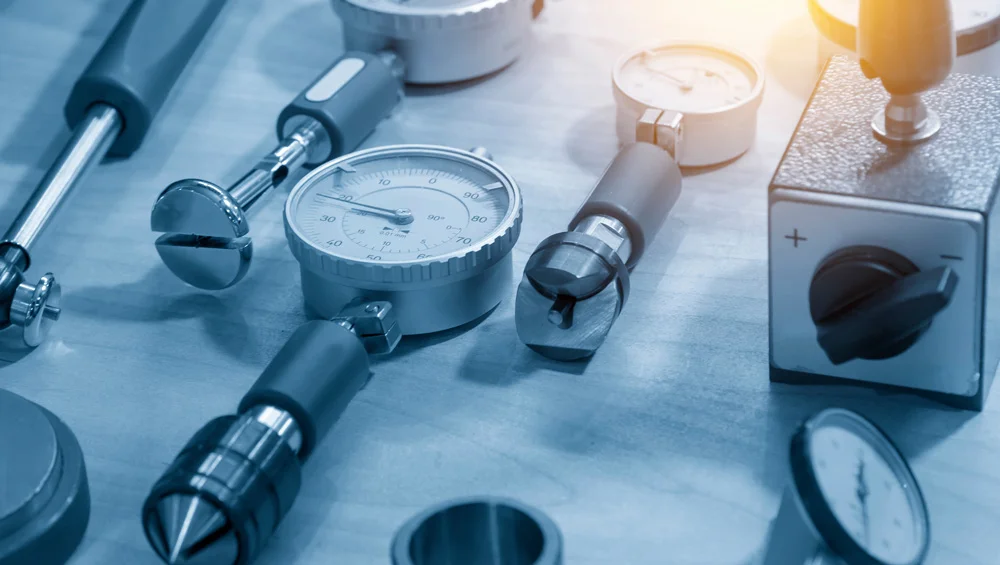
At NCQC Laboratory LLP, we provide comprehensive Pharma Validation Services to ensure that equipment, systems, and controlled environments operate consistently and meet regulatory requirements. Our services are performed in accordance with GMP, WHO, and ISO guidelines, ensuring full compliance with national and international standards. Pharma validation is critical in industries such as pharmaceuticals, biotechnology, and healthcare, where product quality and patient safety are directly impacted. Our experienced team uses advanced instruments and standardized protocols to perform accurate validation studies. We focus on identifying deviations, minimizing risks, and ensuring reliable system performance. Our services help organizations meet audit requirements and maintain regulatory compliance. With a strong commitment to quality and timely execution, NCQC Laboratory LLP is your trusted partner for pharma validation services.
What is Pharma Validation?
Pharma Validation is the documented process of verifying that equipment, systems, utilities, and environments perform consistently according to predefined specifications. It ensures that processes produce reliable and reproducible results that meet quality standards. This process involves testing, recording, and analyzing performance under defined conditions. Validation helps identify potential risks and ensures compliance with regulatory requirements such as GMP. It also improves process efficiency and reduces the chances of product failure. Pharma validation plays a vital role in maintaining product quality, safety, and regulatory approval.

| Parameter | Range | Method for Calibration |
|---|---|---|
| Temperature Mapping | -80 °C - 1200 °C | Using Temperature & Humidity Data Loggers (Minimum 9) by Comparison method |
| Relative Humidity (RH) Mapping | 20 - 95 % RH | Using RTD Sensors / Data loggers / THermocouples (Minimum 9) with Super Precision Temperature Scanner by Comparison method |
| Differential Pressure | 0 - 100 mmWC | Pressure Cascade Verification with Differential Pressure Gauge / Manometer |
| Air Velocity | ISO Class 5–8 or Class A to Class D | Traverse Method with Hot Wire Anemometer |
| Air Changes per Hour (ACPH) | ISO Class 5–8 or Class A to Class D | Traverse Method with Hot Wire Anemometer |
| Air Flow (CFM) | ISO Class 5–8 or Class A to Class D | Direct Measurement Method with Anemometer |
| HEPA Filter Integrity / Filter Leak Test | Leakage ≤ 0.01% (PAO/DOP test) | DOP/PAO Test with Aerosol Photometer and Aerosol Generator |
| Particle Count | ISO Class 5–8 | ISO 14644 Classification Method with Laser Particle Counter |
| Recovery Time | ≤ 15–20 minutes (to restore class) | Time to Restore Clean Condition with Particle Counter |
| Airflow Pattern (Visualization) | Unidirectional (Grade A) / No turbulence / No dead zones | Smoke Study (Airflow Visualization) with Smoke Generator |
| Noise Level | up to 130 dB | by using sound level meter |
| Light Intensity | up to 25000 lux | by using lux meter |
| Vibration | ≤ 3–5 mm/s RMS (equipment dependent) | Equipment Vibration Analysis by using vibration meter |
| Static Pressure | As per design (typical duct: 5–25 mmWC) | Duct Static Pressure Measurement by using Manometer |
| Coil Temperature | Cooling coil outlet: 10–15°C (typical) | Across Cooling/Heating Coil by using Temperature Probe |
| Chilled Water Temp | Inlet: 6–8°C Outlet: 12–14°C | Inlet/Outlet Measurement by using Temperature sensor |
| Door Interlock | Only one door open at a time (100% functional) | Interlock Verification by using timer |
| Alarm System | Should trigger at set limits (Temp, RH, Pressure) | Alarm Simulation Test SCADA / BMS |
| BMS Functionality | 100% operational (monitoring + control + logging) | Functional Testing BMS Software |
| Pressure Recovery | ≤ 15–20 seconds (after door opening) | Post Door Opening Recovery by using Manometer |
| Temperature Uniformity / Thermal Mapping Study | -80 °C - 1200 °C | Using Temperature & Humidity Data Loggers (Minimum 9) by Comparison method |
| RH Uniformity / Humidity Mapping Study | 20 - 95 % RH | Using RTD Sensors / Data loggers / THermocouples (Minimum 9) with Super Precision Temperature Scanner by Comparison method |
Pharma Validation is widely used for:
- HVAC System Validation (Airflow, ACPH, Pressure Differential)
- Cleanroom Validation (Particle Count, Recovery Test)
- Temperature Mapping (Warehouse, Stability Chamber)
- Autoclave Validation (Heat Distribution & Penetration)
- Compressed Air / Gas Validation
- Laminar Air Flow (LAF) & Biosafety Cabinet Validation